Best Free Tools for Academic Research

Introduction
There is a strange irony to academic life these days. We have more digital tools than ever to help us with research, yet so many of us still run into the same old barriers, paywalls, pricey subscriptions, and trial versions that run out just as you’re getting into the real work.
But here’s the good news: there are genuinely helpful research tools out there that are completely free, or offer generous free plans that don’t vanish after a month. You can actually build a solid, reliable workflow without the stress of recurring costs.
In this article, we’ve gathered the best free tools that support the entire research journey. Whether you’re hunting for papers, summarizing articles, organizing references, drafting a manuscript, or pulling together a systematic review, every tool here is either totally free or comes with a permanent free tier that’s genuinely useful.
This is especially valuable if you’re a student, an early-career researcher, or working independently. Think of it as your academic toolkit, built to support you, not to send you another invoice.
Paper Search and Discovery Tools
Every great research project begins with finding the right sources. These tools help you discover peer-reviewed articles, preprints, and datasets across all fields, turning the initial search from a chore into an opportunity.
Google Scholar
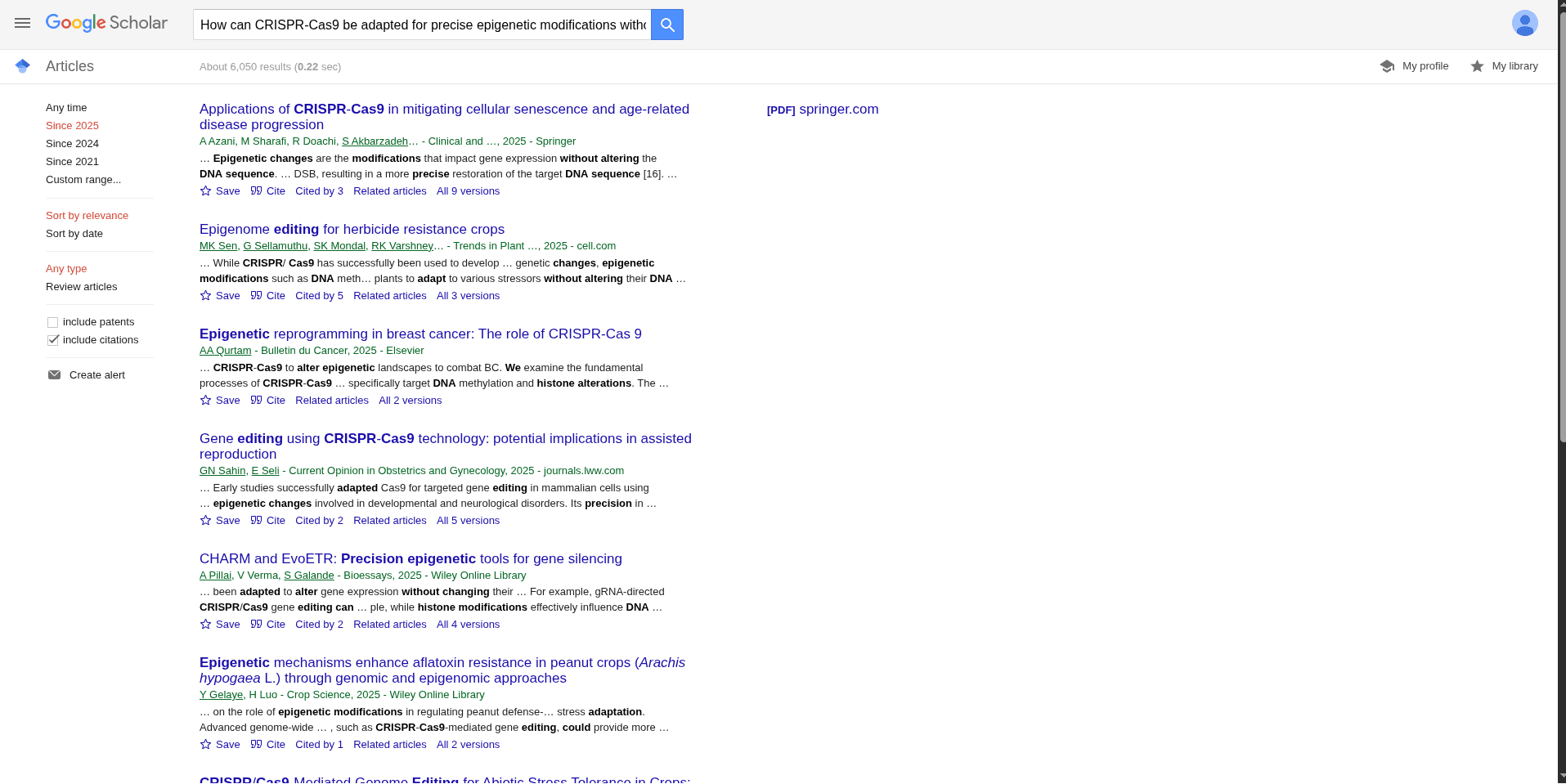
The familiar starting point for millions. Google Scholar casts a wide net across journals, theses, books, and conference papers in nearly every discipline. It shines by showing you citation counts and suggesting related articles, helping you trace the life of an idea. While its filtering options aren't the most advanced, you simply can't beat its sheer breadth and cost—it’s completely free. Ideal for: Your first, broad search and for tracking how a paper has been cited over time.
Semantic Scholar

This tool uses artificial intelligence to move beyond basic keyword matching. Semantic Scholar helps you spot the most influential papers, understand key citations, and see important concepts at a glance. Enjoy free features like smart filters, visual citation graphs, and concise AI-generated summaries. It has deep roots in computer science and medicine but is growing rapidly into other fields. Ideal for: Cutting through the noise to find high-impact papers quickly and efficiently.
OpenAlex
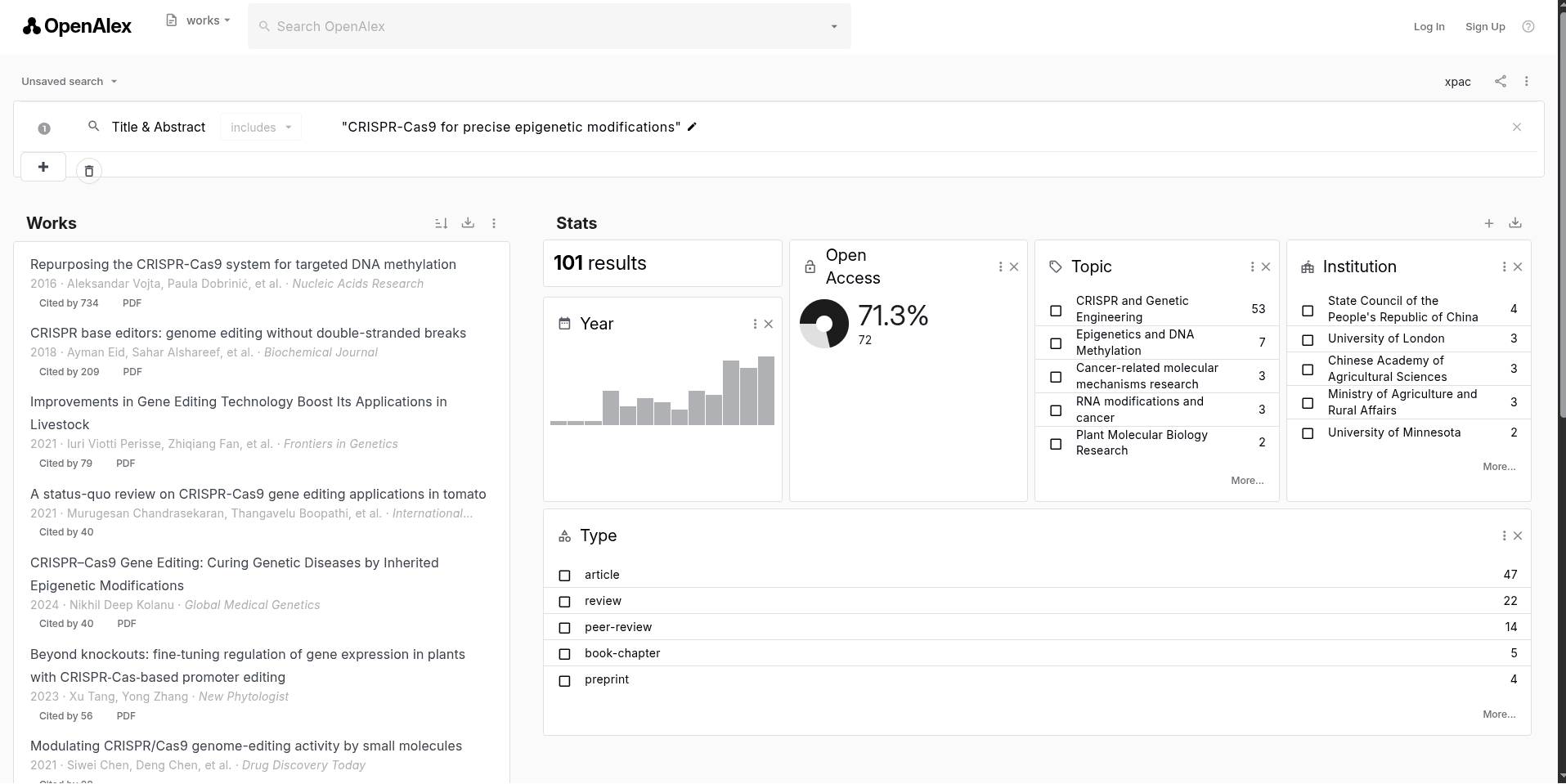
Think of OpenAlex as the open, beating heart of the scholarly record. It’s a massive, free dataset of research works, authors, and institutions that powers many other tools. For you, this means the freedom to search publications, analyze trends, and explore citation networks without any paywalls or restrictions. Its interface is geared toward data exploration, making it a powerhouse for deeper analysis. Ideal for: Bibliometric analysis, trend mapping, and large-scale research exploration.
Paper Summarization and Reading Assistance
Keeping up with the literature is one of the most time-intensive parts of research. These tools are designed to help you read smarter, not harder, by quickly extracting core concepts and clarifying complex information.
SciSpace (Free Plan)
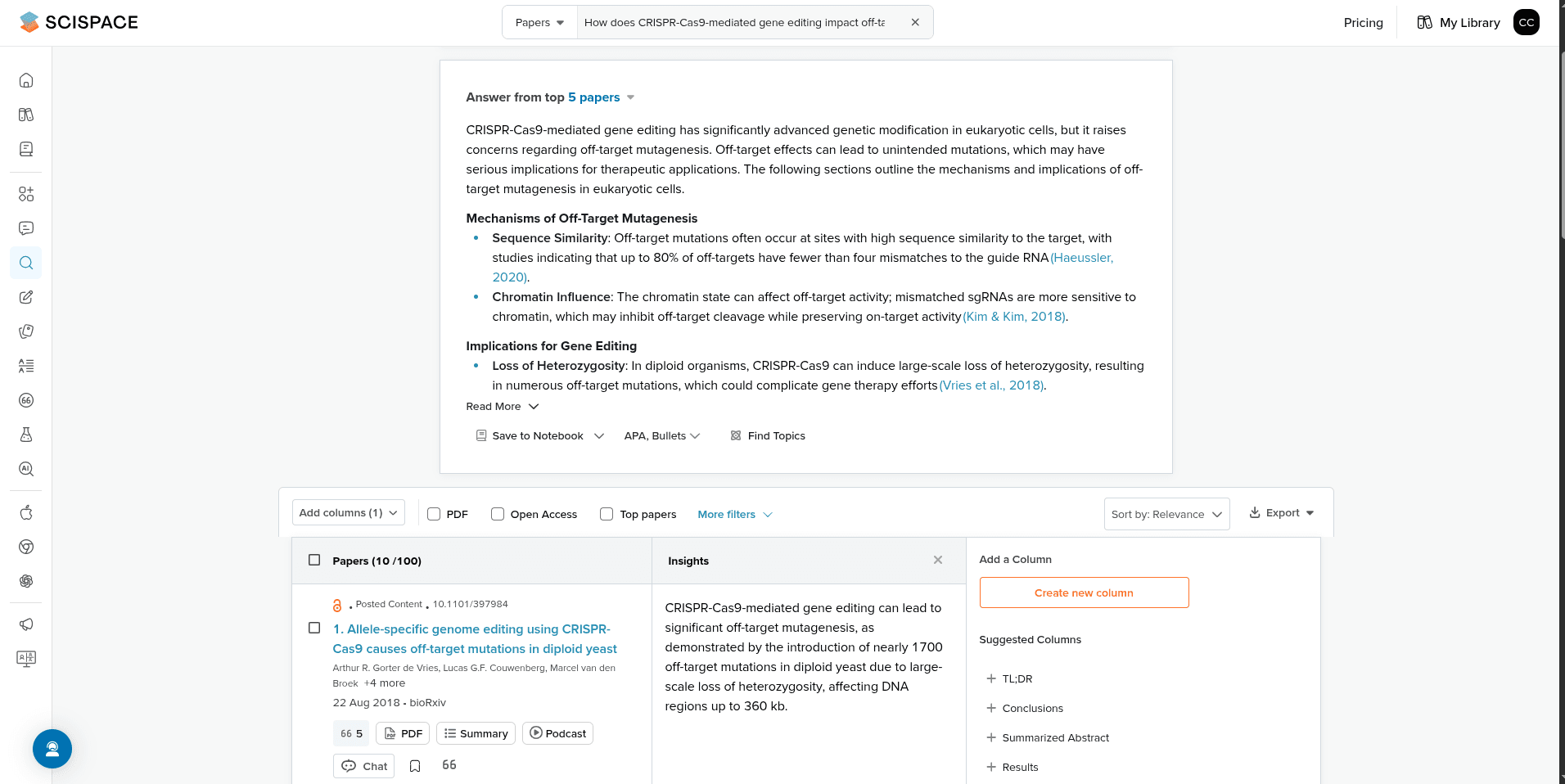
When you encounter a dense, technical paper, SciSpace can be your guide. Upload a PDF and use its AI to get plain-language explanations of complex sections—whether it's a tricky equation, a detailed method, or a set of results. While the free plan has a monthly usage limit, it's a powerful way to get unstuck. Ideal for: STEM students and researchers who need to grasp difficult concepts quickly.
Sciscoper (Free Plan)
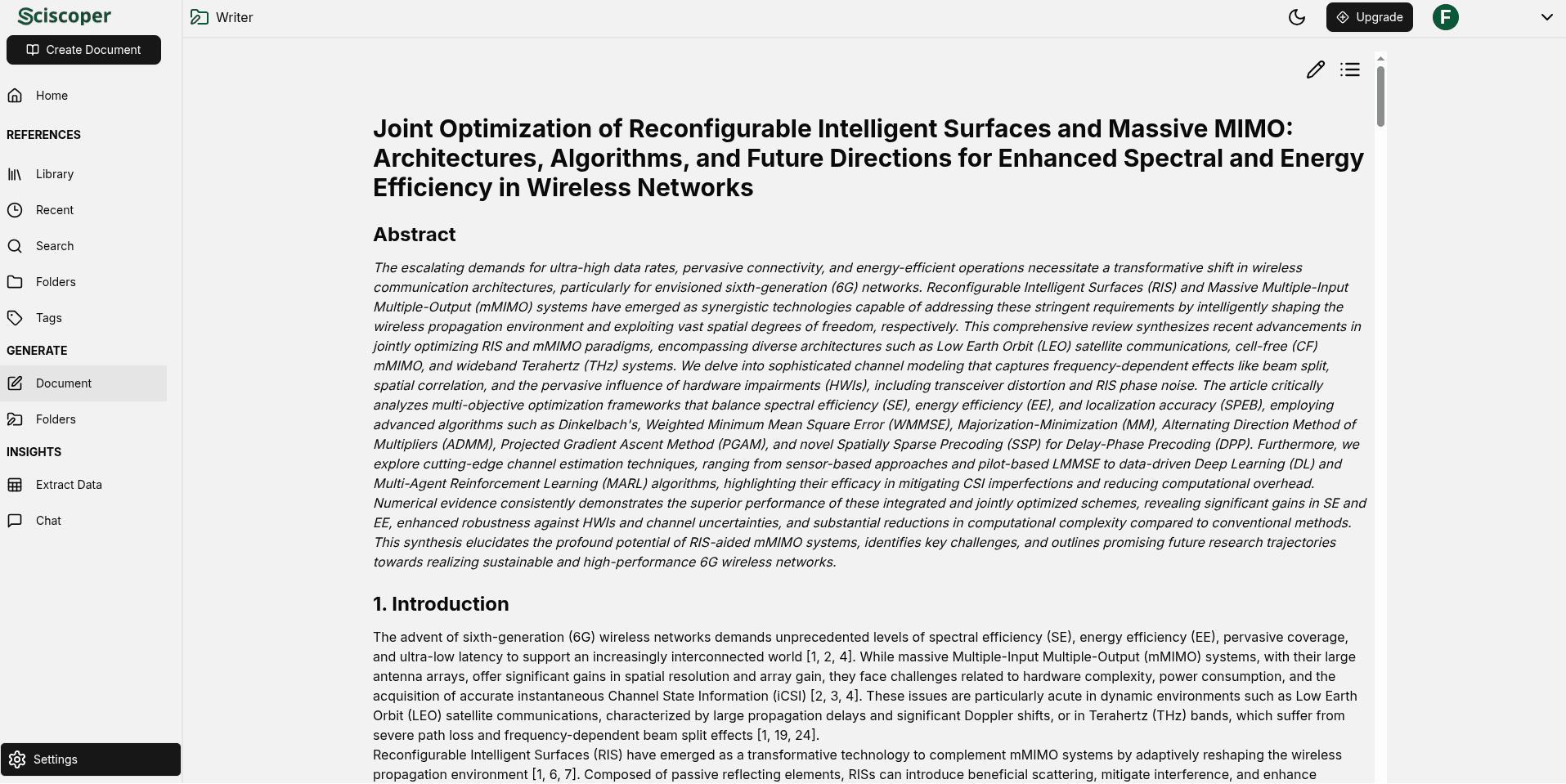
Sciscoper is designed to accelerate the initial screening and data extraction stages of research. It uses AI to instantly summarize academic articles and systematically extract key information directly into structured formats like IMRAD (Introduction, Methods, Results, and Discussion) or PICO (Population, Intervention, Comparison, Outcome). Ideal for: Systematically extracting and organizing key data points from papers, especially for literature reviews and evidence synthesis. Ideal for: Interactive brainstorming and getting a conversational explanation of research content.
Research Writing and Manuscript Preparation
Turning your ideas and data into a clear, well-structured manuscript is a craft. These tools support that process, helping you organize, draft, and polish your work while your unique voice remains at the center.
Overleaf (Free Plan)
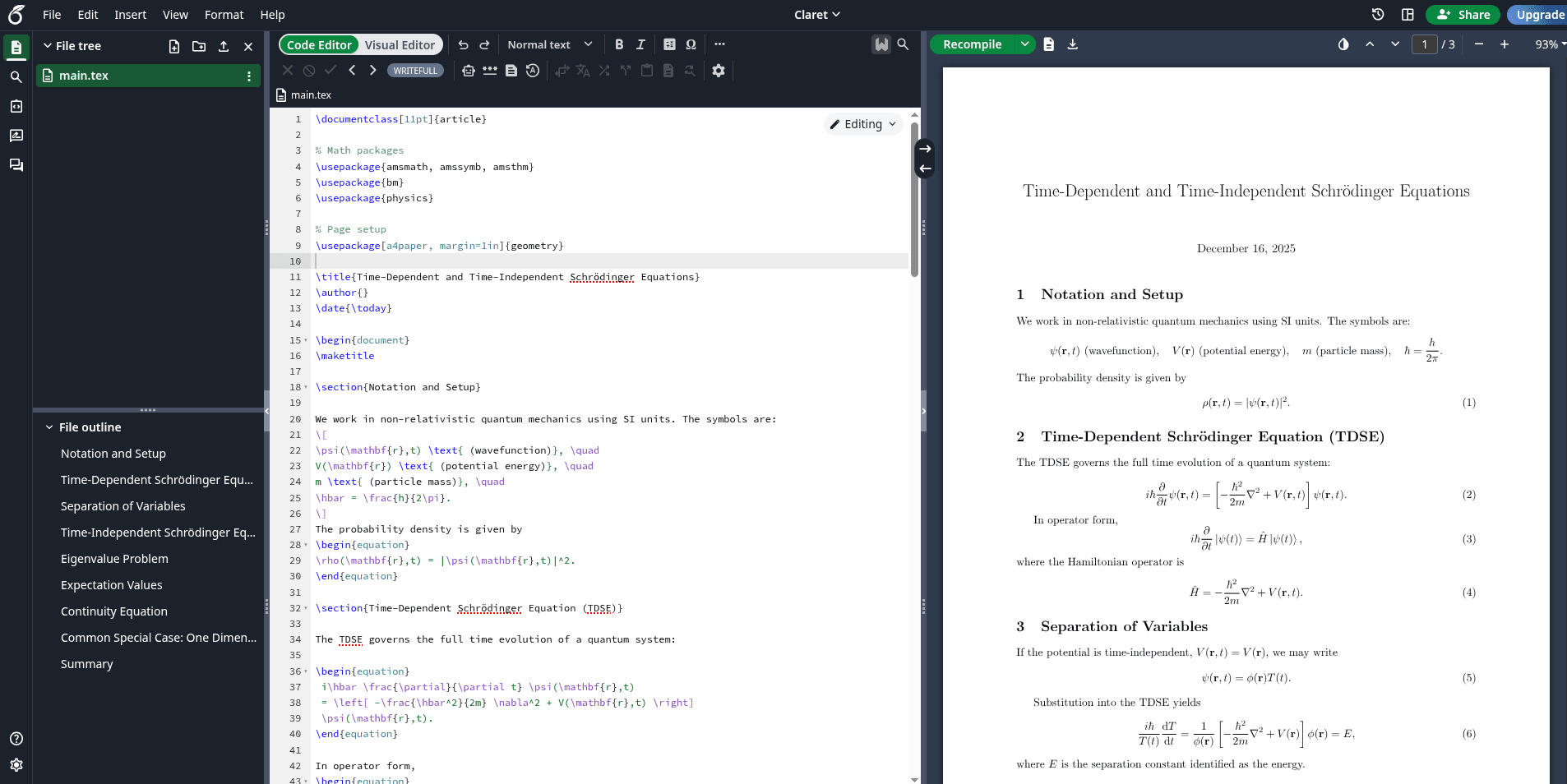
If your field requires the precision and formatting power of LaTeX, Overleaf is the go-to platform. Its free plan offers a full, cloud-based LaTeX editor with templates and basic collaboration features. It handles complex equations and journal formatting with ease, making it a staple for many in STEM. Ideal for: Researchers and students writing papers, theses, or reports in LaTeX.
QuillBot (Free Plan)
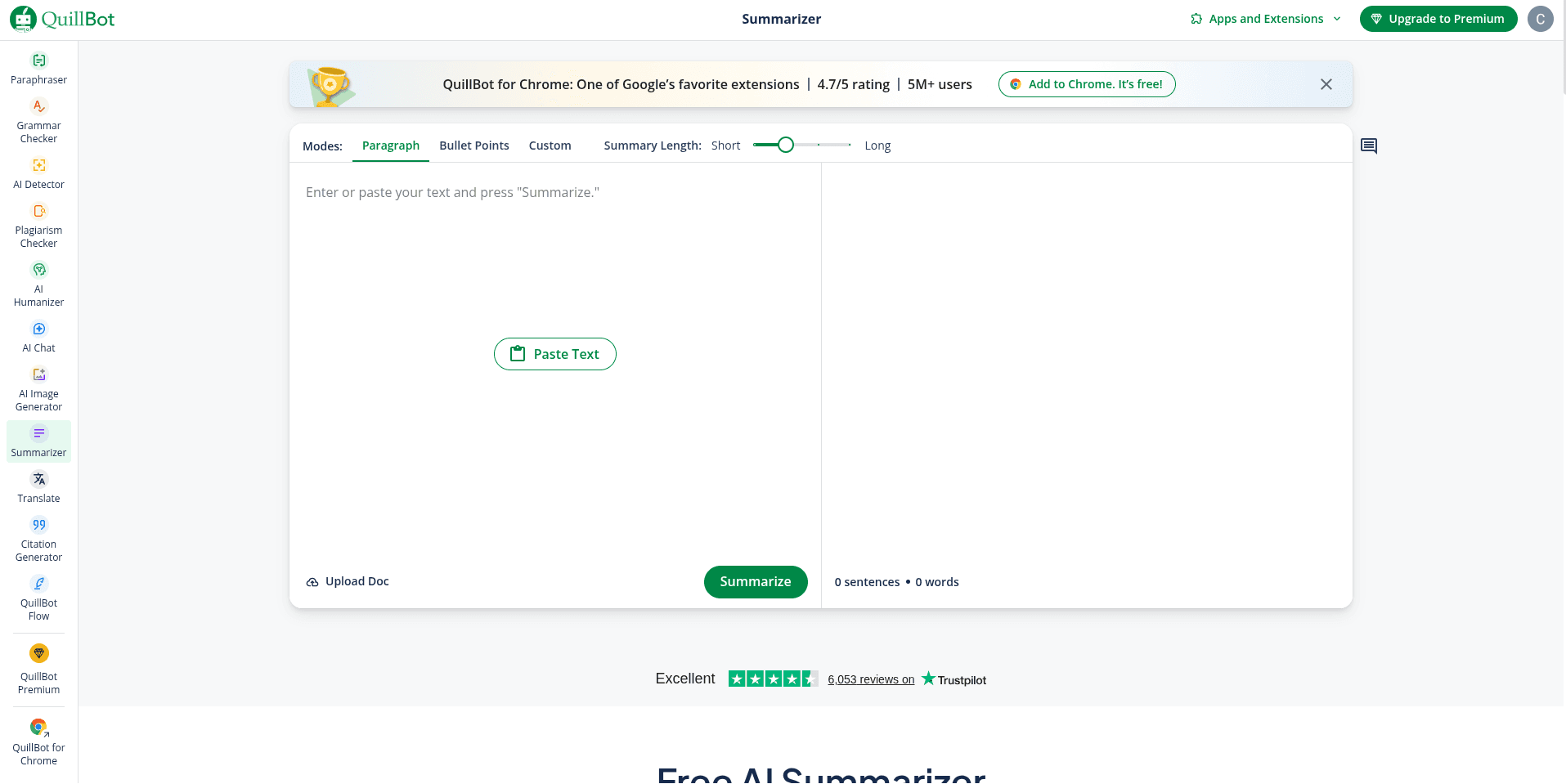
Every writer needs an editor. QuillBot's free tier helps refine your academic prose by suggesting paraphrases for clarity and checking grammar. It’s useful for polishing sentences and avoiding repetition. A key reminder: always review its suggestions carefully to ensure they preserve your intended meaning and academic rigor. Ideal for: Fine-tuning language and improving the flow of your drafts.
Literature Review and Research Mapping
A literature review is not just about collecting papers. It is about understanding how research topics evolve, how studies relate to each other, and where gaps exist. The tools in this category help researchers organize literature, discover connections, and monitor new publications.
Connected Papers
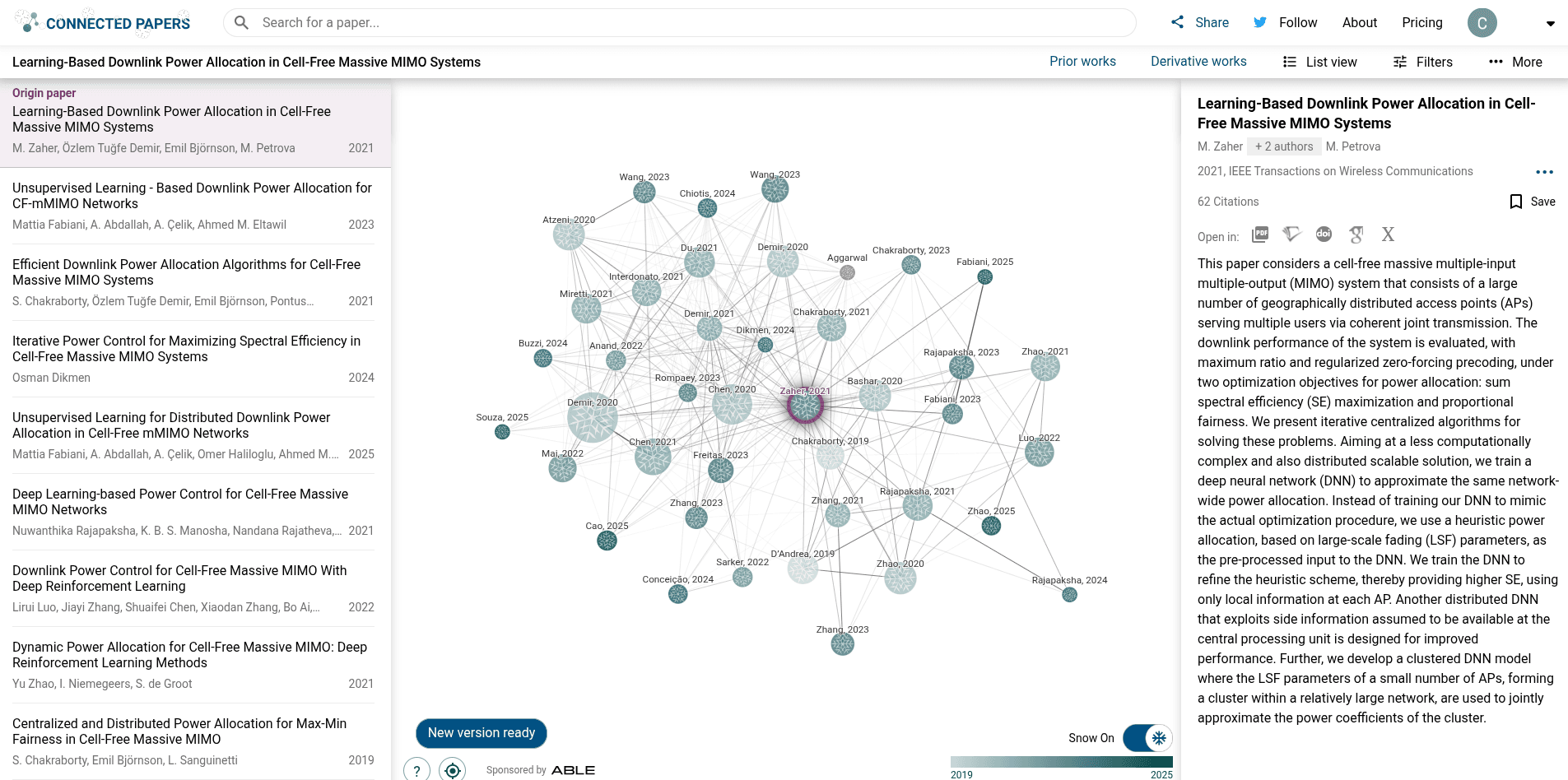
Imagine being able to see the family tree of an idea. Connected Papers generates a visual graph from a single "seed paper," mapping out its closest intellectual relatives through citations. This instantly reveals the foundational works that inspired it and the newer studies it has influenced. It's a powerful way to grasp the structure of a research area at a glance. The free version, which allows a limited number of graphs per month, is typically sufficient for an individual researcher. Ideal for: Quickly visualizing the scholarly landscape surrounding a key paper and identifying seminal works.
Research Rabbit
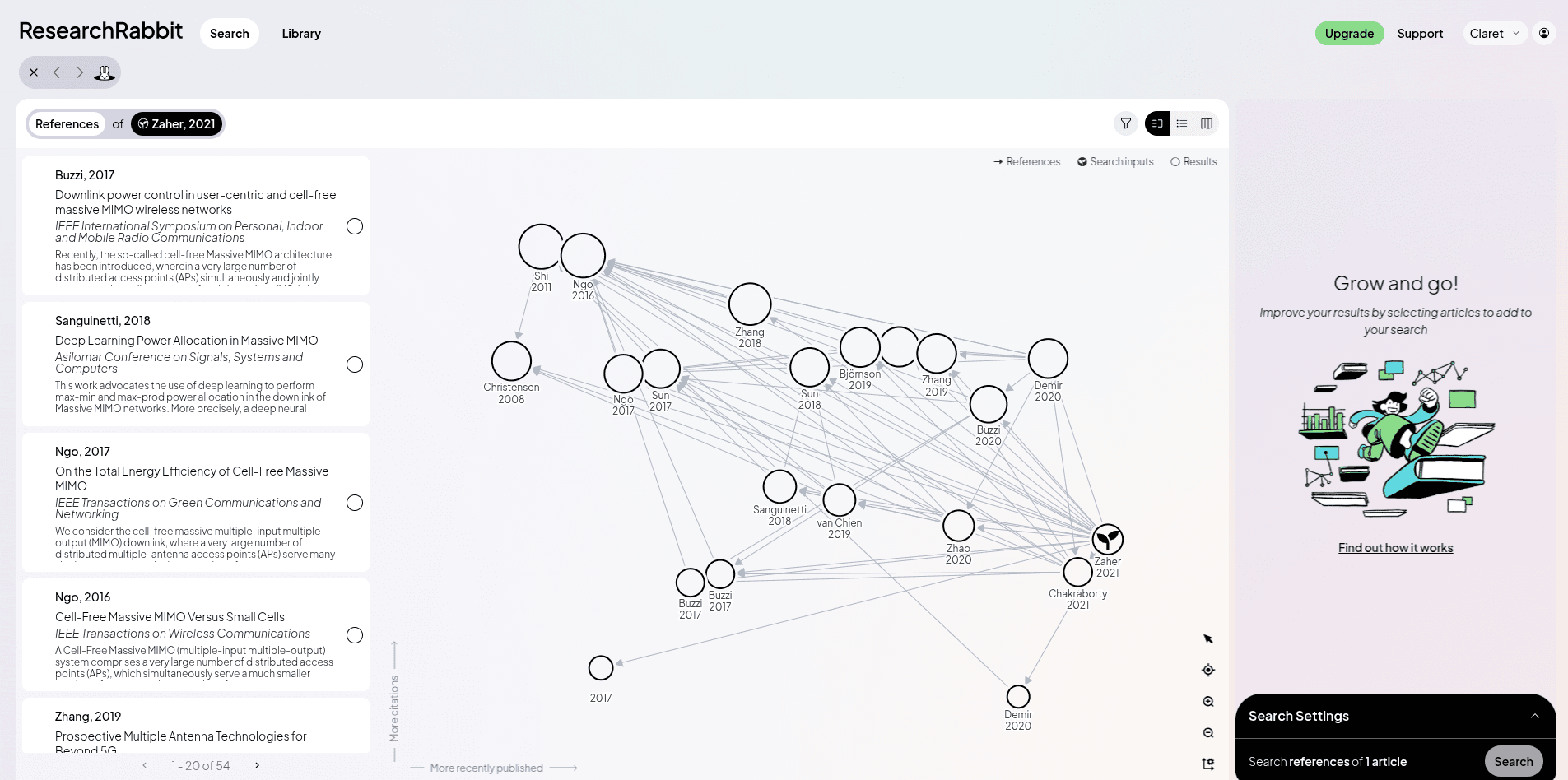
Think of Research Rabbit as your personal research assistant. By starting with a few key papers, you can create a "collection." The tool then recommends related articles you might have missed, builds interactive citation maps, and can even alert you when new, relevant work is published. It's designed for active discovery, helping your literature review grow and stay current over time—all on a fully functional free plan. Ideal for: Ongoing literature monitoring, discovering related research, and maintaining a dynamic, organized library.
Litmaps (Free Plan)
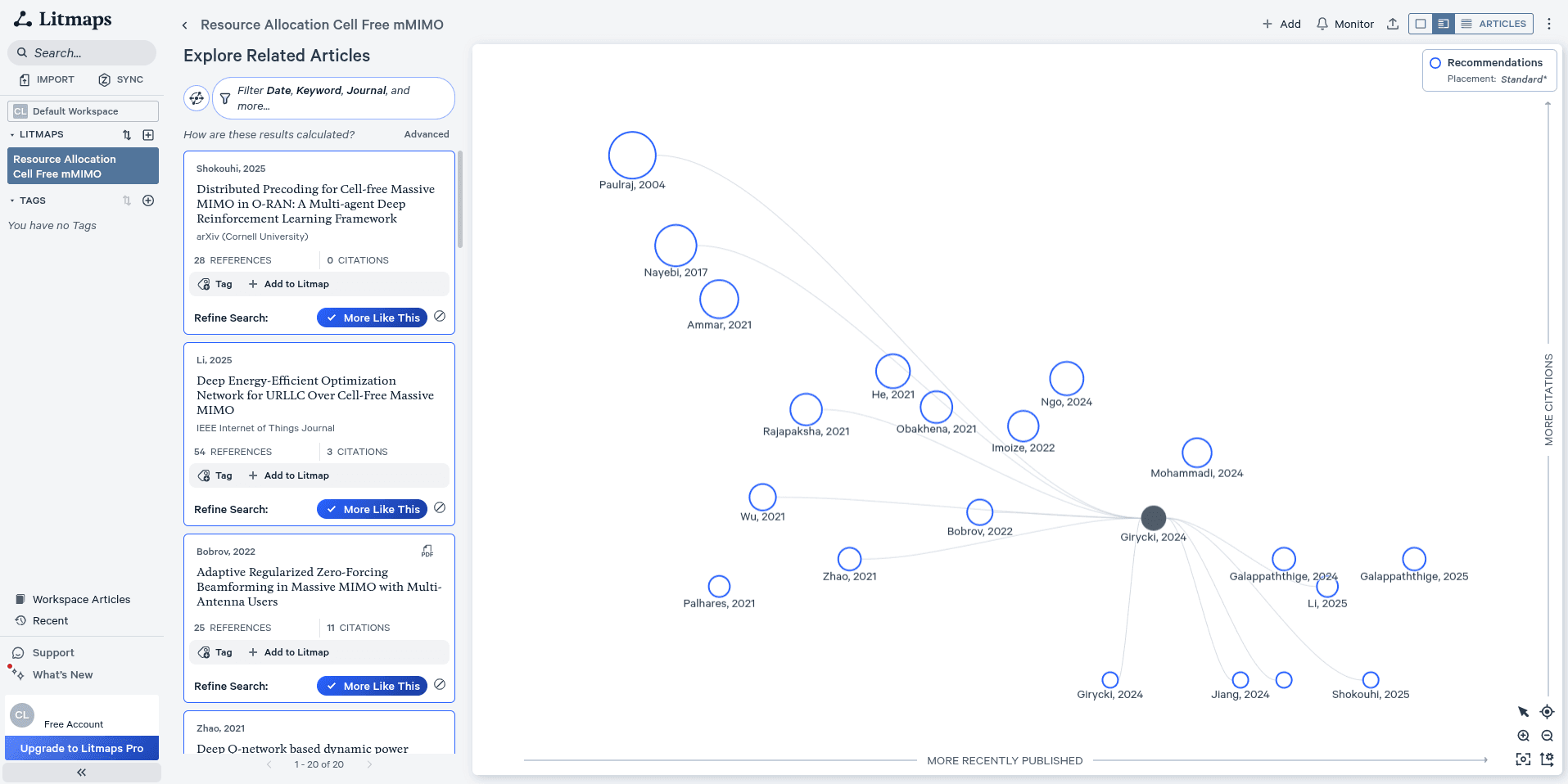
Litmaps specializes in mapping the flow of citations over time. You can visually trace how a paper has been cited by later research or explore the references that shaped it. This temporal perspective is invaluable for understanding the development of a research thread. The free plan offers a generous number of maps that do not expire, making it a practical tool for structured reviews. Ideal for: Conducting chronological analyses of literature and visualizing the evolution of research ideas.
Open Knowledge Maps
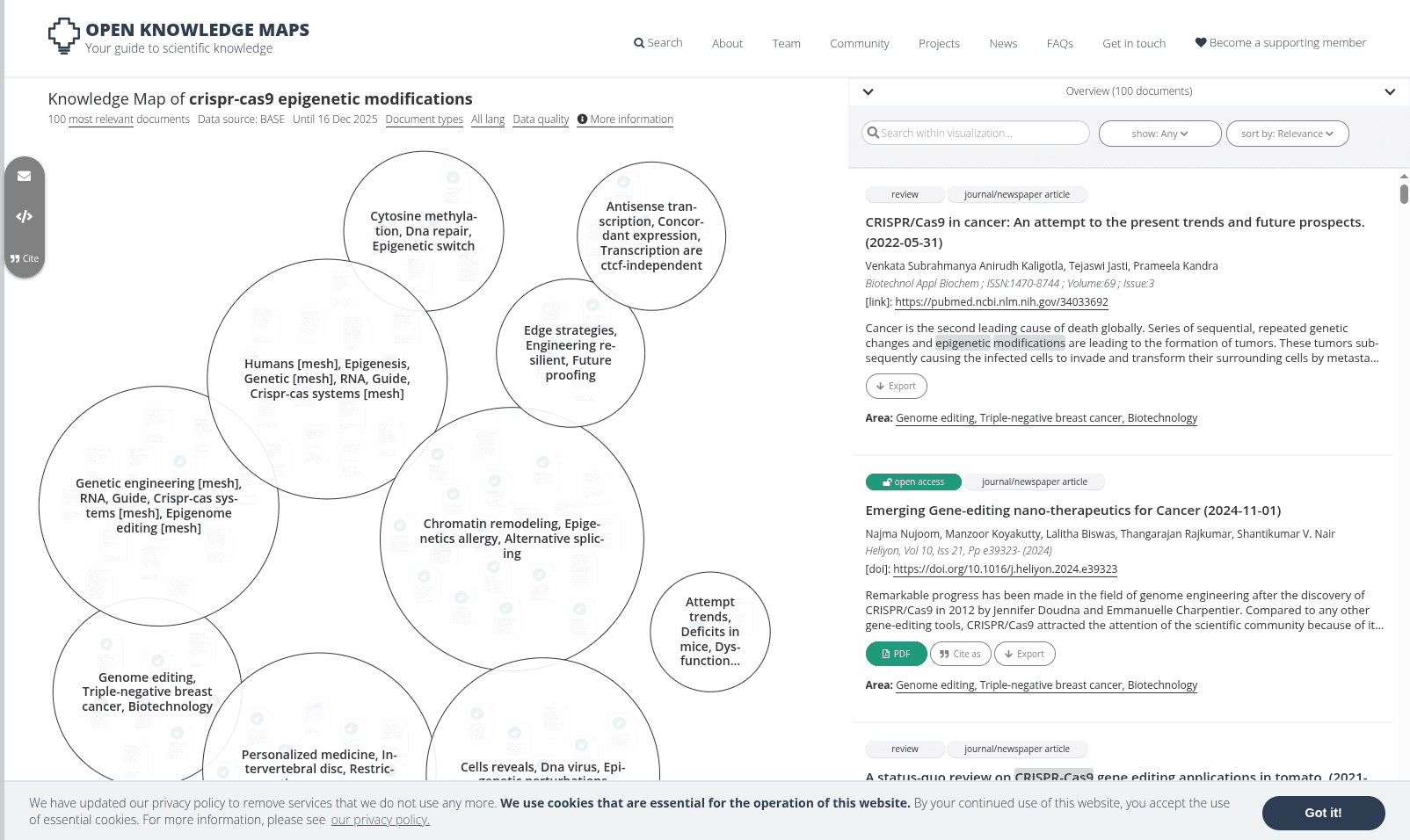
This tool offers a bird's-eye view of a research field. Instead of a list, it creates a visual "knowledge map" that clusters open-access papers into topical groups. This allows you to immediately see the main sub-themes, key papers in each area, and how they connect. It's an excellent starting point for diving into an unfamiliar subject. Ideal for: Gaining a high-level conceptual overview of a new field and identifying its major research themes.
Inciteful
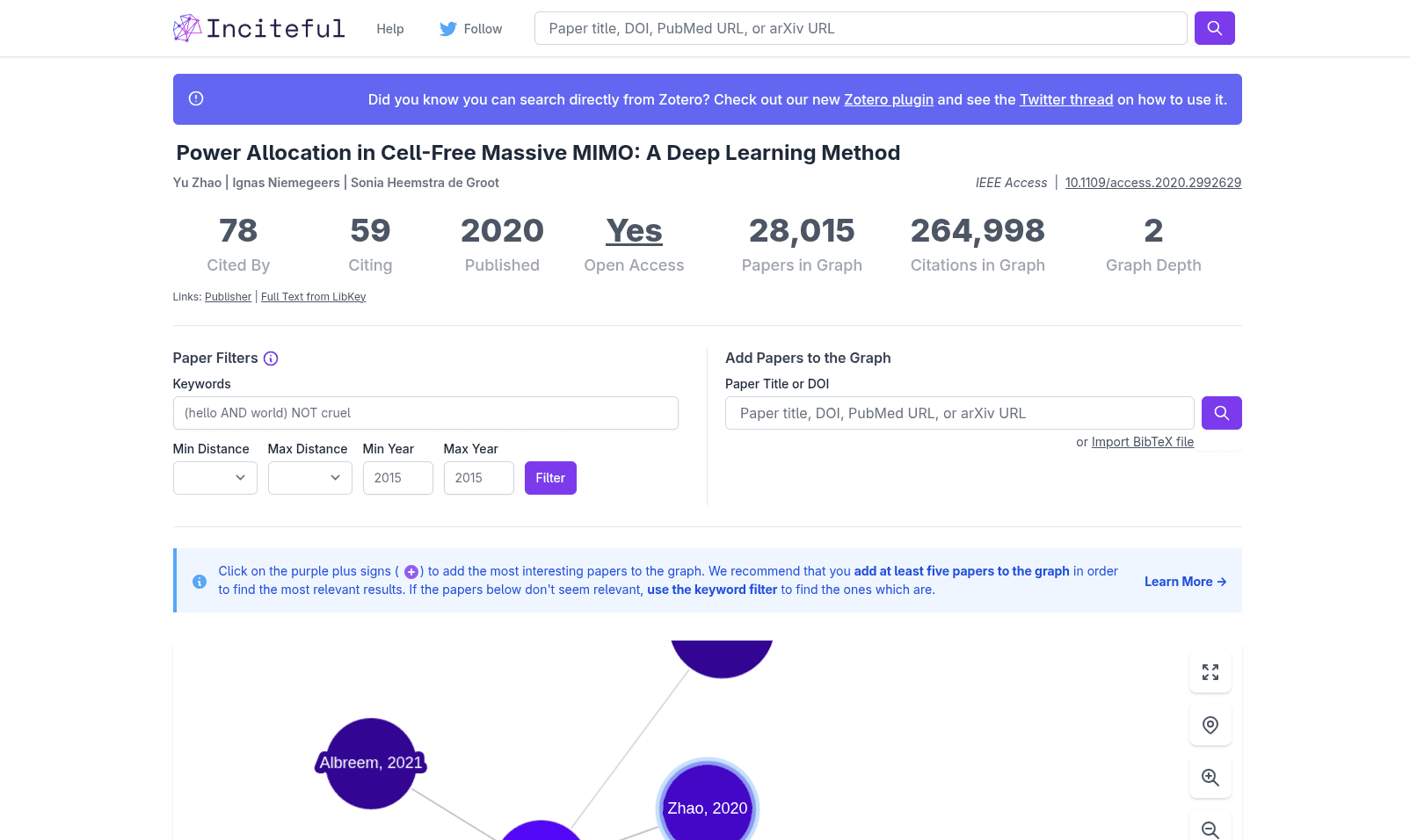
For a straightforward, citation-focused discovery tool, Inciteful is highly effective. By analyzing citation networks, it quickly identifies the most influential papers and authors related to a given work. While its interface is simpler than some visualization tools, it excels at cutting through the noise to highlight the core literature you need to know. Ideal for: Rapidly identifying the most pivotal papers and leading scholars in a specific area of research.
Reference and Citation Management
Keeping your sources organized shouldn’t be a second research project. A good reference manager saves you hours, ensures your citations are flawless, and lets you focus on the ideas, not the formatting.
Zetaref (Free Plan)
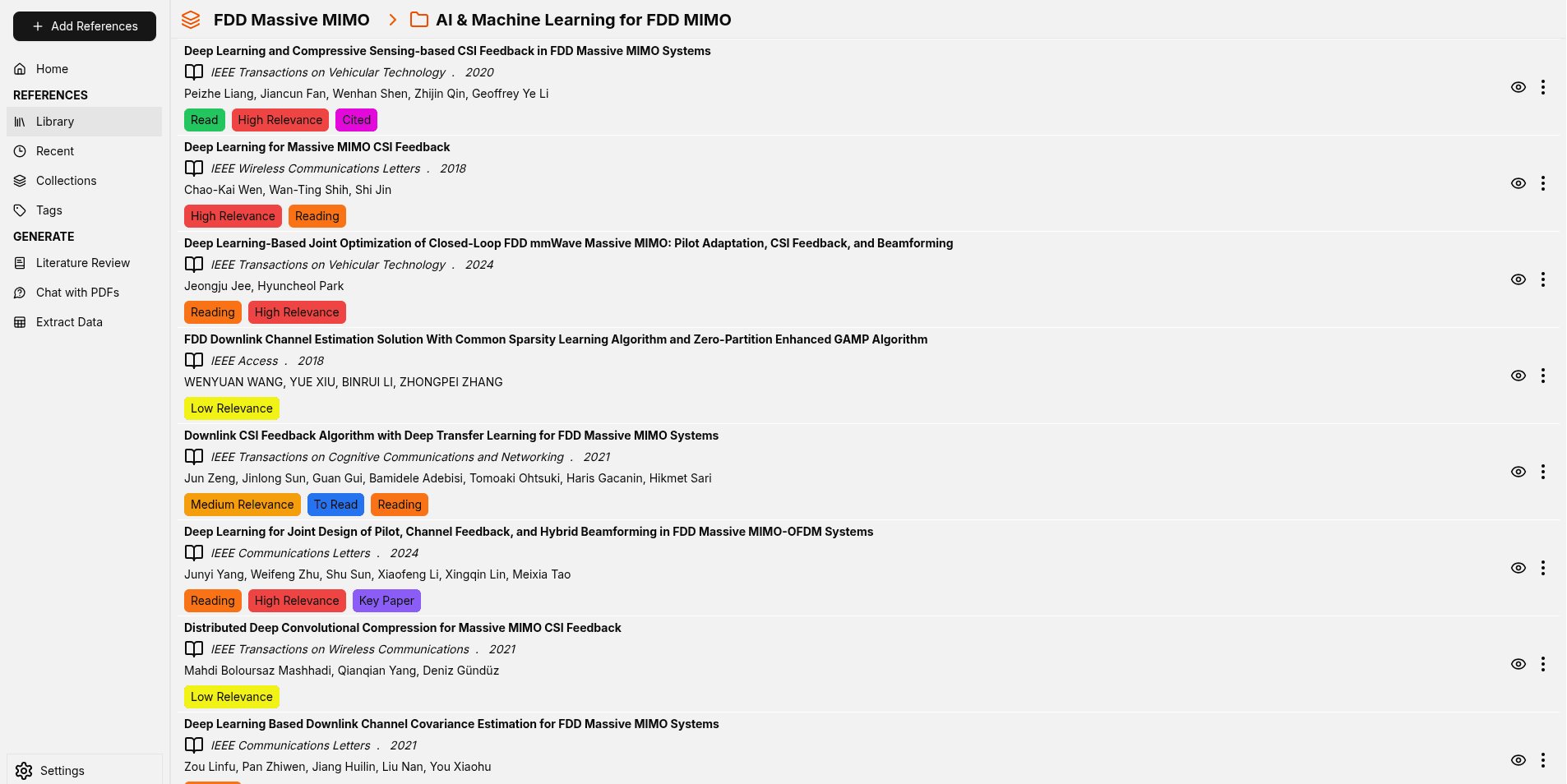
Built for modern, AI-driven research workflows, Zetaref goes beyond traditional citation management into true research intelligence. Instead of just storing references, Zetaref lets you work with your sources: chat with one or multiple PDFs in natural language, generate structured literature reviews, and automatically extract key IMRAD or PICO elements from papers. References can be exported cleanly to RIS, BibTeX, or CSV, making it easy to plug into existing writing and analysis tools. By combining reference management with semantic understanding, Zetaref reduces the manual overhead of reading, summarizing, and synthesizing research, especially when working with large bodies of literature.
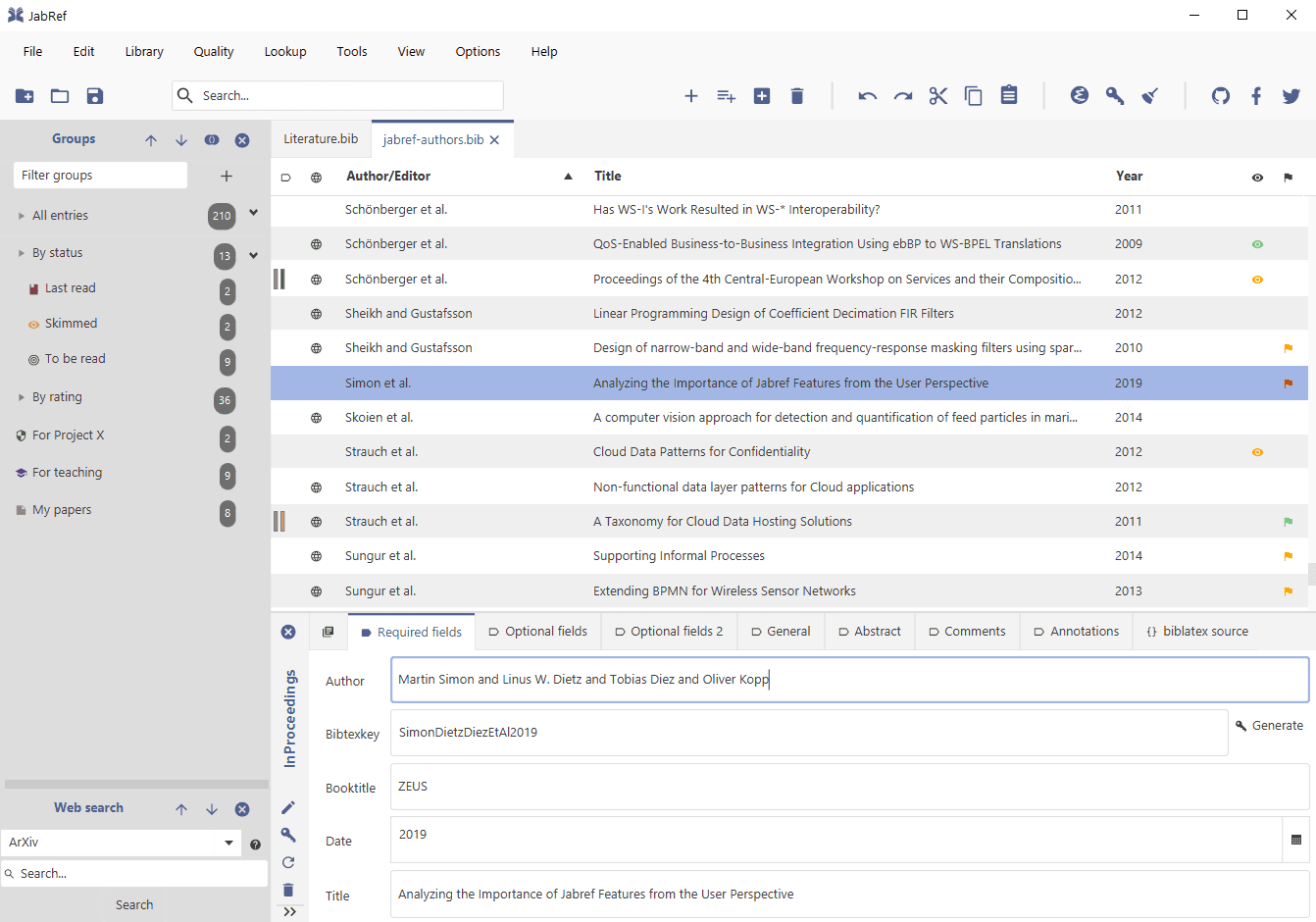
Ideal for: Researchers, students, and teams who want more than citation storage—particularly those conducting literature reviews, evidence synthesis, or exploratory research where understanding and connecting papers matters as much as citing them.
Zotero
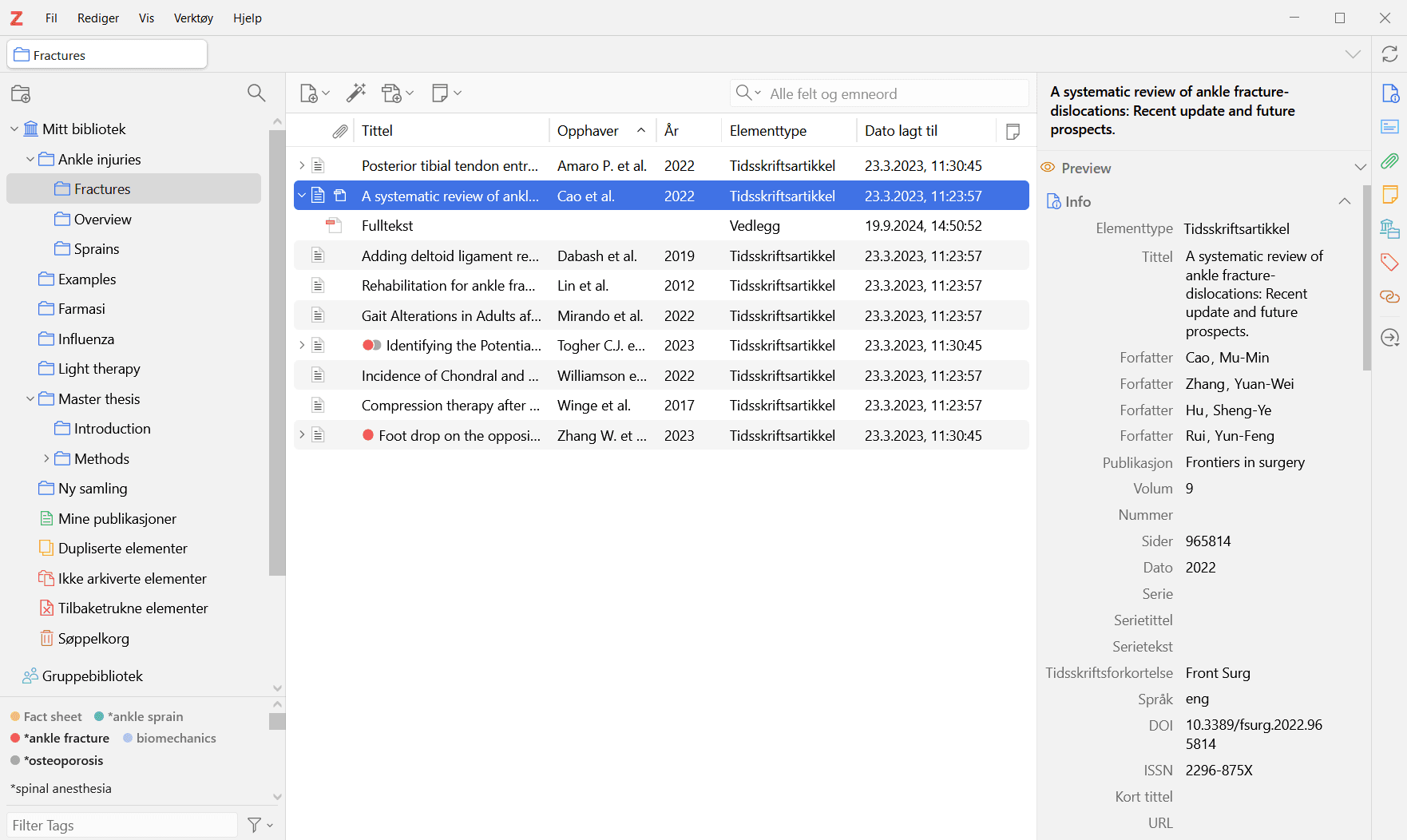
A favorite among researchers, Zotero is a powerhouse that’s completely free and open-source. It runs right in your browser to instantly save papers, books, and webpages to your personal library with one click. Organize them with tags and folders, annotate PDFs, and generate citations in over 10,000 styles with seamless plugins for Word, Google Docs, and LibreOffice. While its cloud storage is limited on the free tier, the core desktop functionality is robust and entirely cost-free. Ideal for: A full-featured, no-cost citation workflow, especially for collaborative projects and systematic reviews.
Mendeley (Free Plan)
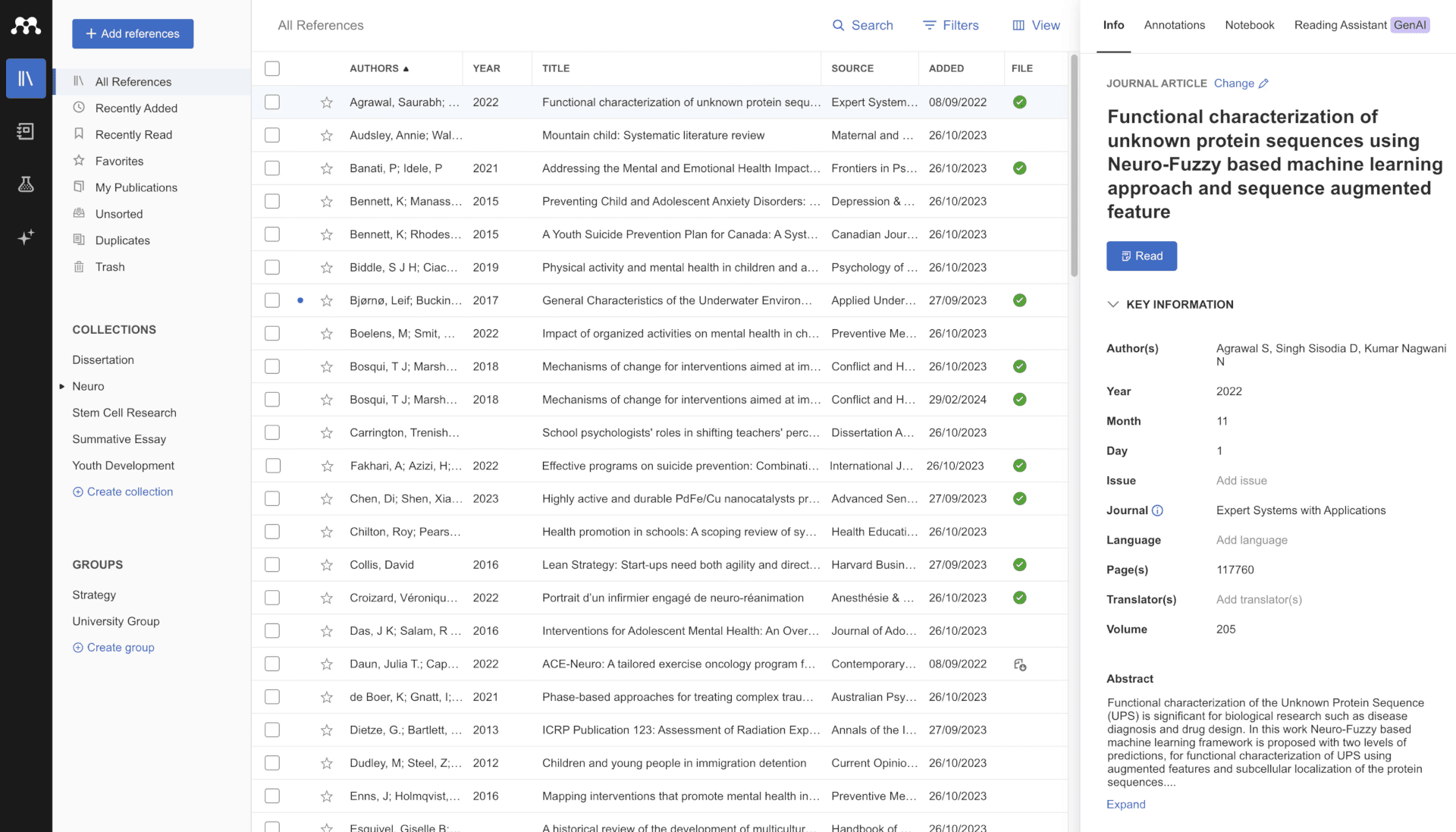
Mendeley combines reference management with a strong focus on reading and discovery. Its integrated PDF viewer and annotation tools make it easy to read and highlight directly within your library. The free plan offers enough cloud storage for most theses or article projects and includes features for discovering public groups and related research. It’s a solid all-in-one solution for those who prefer to read, organize, and cite within a single, user-friendly environment. Ideal for: Researchers who want integrated PDF reading, annotation, and social discovery features alongside their reference management.
JabRef
JabRef is an open-source reference manager built around BibTeX and BibLaTeX. It is especially popular among LaTeX users. It runs locally, supports advanced citation workflows, and integrates well with academic publishing pipelines. Ideal for: LaTeX-based citation management.
Systematic Review and Meta-Analysis Support
Conducting a systematic review is a methodical and demanding process, requiring rigorous screening and precise data handling. These free tools are built specifically to support the unique workflow of evidence synthesis, helping to manage the volume of literature and ensure consistency.
Rayyan (Free Plan)
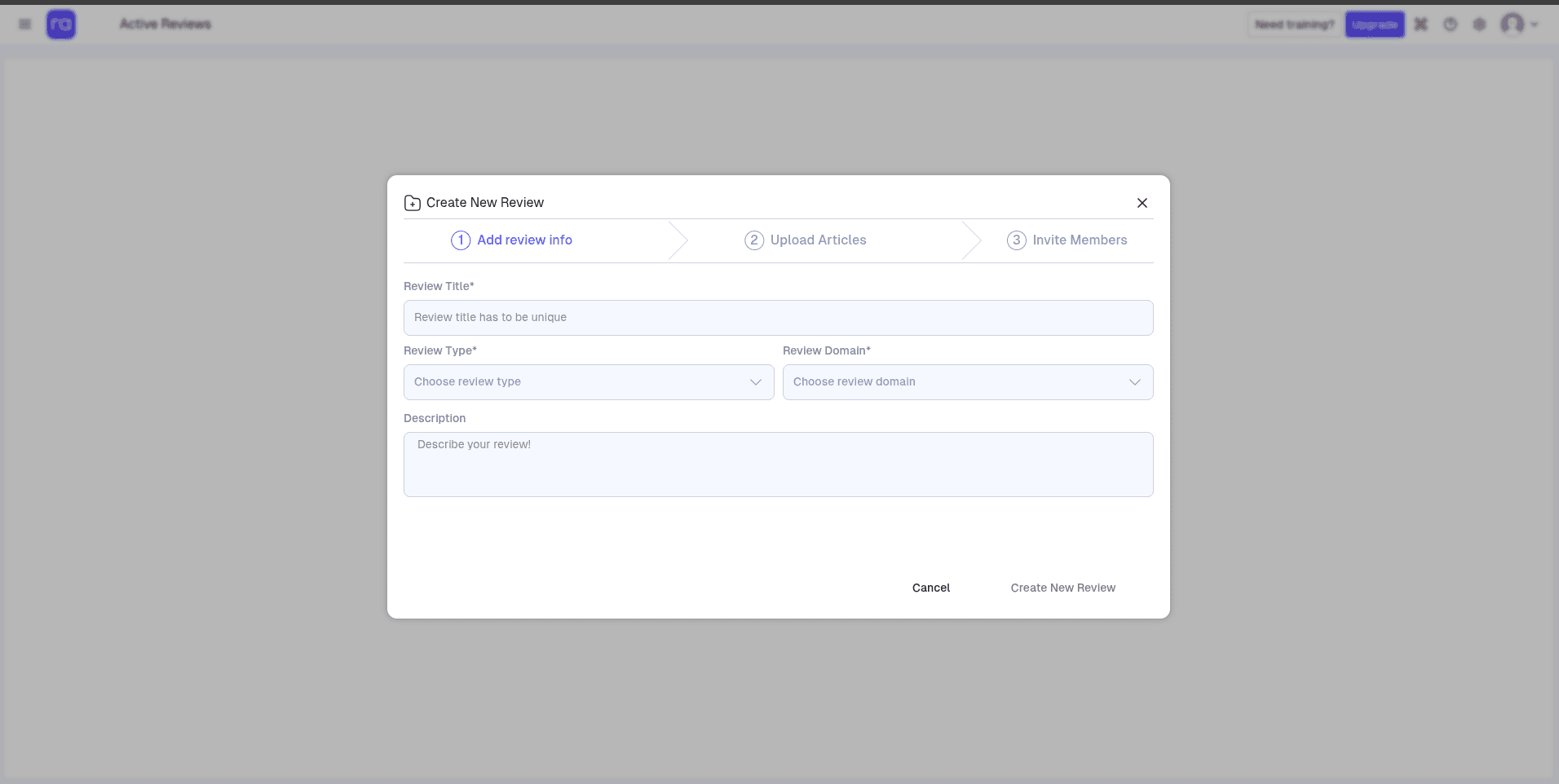
Rayyan streamlines the most labor-intensive phase of a systematic review: the screening of abstracts and titles. It allows you to import references, screen them collaboratively with your team, and resolve conflicts with an easy-to-use interface. The platform's intelligent features can even help identify duplicates and highlight potential matches. Its free tier supports all the core functions needed for a robust screening process, making it an indispensable tool for research teams. Ideal for: Efficiently managing the title/abstract and full-text screening stages with a team.
Research Visualization and Analysis
Sometimes, you need to step back and see the bigger picture. These tools help you visualize the structure of a research field—uncovering trends, mapping collaborations, and identifying key themes that might not be apparent from reading individual papers.
VOSviewer VOSviewer is a dedicated, free software for creating insightful visual maps of scholarly literature. By analyzing publication data, it can generate interactive networks of co-authorship, keyword co-occurrence, or citation relationships. These maps help you quickly identify major research clusters, influential authors, and emerging topics within a field, providing a powerful visual summary of complex academic landscapes. Ideal for: Creating publication and citation network maps for literature reviews and scientometric analysis.
Bibliometrix (R Package) For researchers comfortable with programming, Bibliometrix offers unparalleled depth. This open-source R package provides a comprehensive suite of tools for advanced bibliometric and scientometric analysis. It allows for sophisticated data mining, statistical analysis, and the creation of highly customizable visualizations from large sets of publication data. While there is a learning curve, it is the tool of choice for conducting robust, reproducible literature-based research. Ideal for: Advanced users performing large-scale, quantitative analysis of scientific literature.
Conclusion
Free academic research tools now cover almost every stage of the research lifecycle. From discovering papers and understanding them to writing, citing, reviewing, and analyzing research trends, it is possible to build a complete research workflow without paid subscriptions or trial plans.
By combining tools across these categories, researchers can work more efficiently while maintaining academic rigor and transparency.